Beautiful Bubble Font: A Detailed Review for Designers and Creators
In the search for the perfect typeface, designers and content creators often look for a font that conveys a specific mood without overwhelming the message. Beautiful Bubble is a typeface that has garnered attention in the creative community for its casual and distinctive aesthetic. It is designed to evoke warmth and friendliness, making it a candidate for projects that require a personal touch. This article explores the characteristics, practical applications, and limitations of the Beautiful Bubble font to help you determine if it aligns with your design goals.
Understanding the Aesthetic and Structure
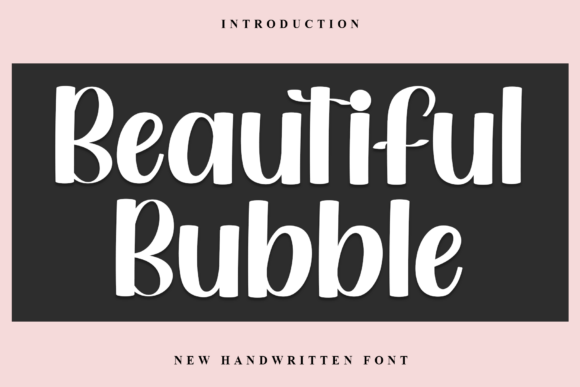
At its core, Beautiful Bubble is defined by its round, playful strokes. Unlike rigid sans-serifs or formal serifs, this font mimics the organic nature of hand-drawn lettering. The characters typically feature soft edges and a consistent, bubbly weight, which creates a relaxed and approachable atmosphere. This design choice moves away from corporate rigidity, aiming instead for a connection that feels human and informal.
The "hand-drawn" quality of the font is central to its appeal. It is not merely a geometric sans-serif with rounded corners; it possesses a charming, organic irregularity that adds texture to the text. This aesthetic allows it to stand out in environments where standard system fonts might feel sterile or boring. For users evaluating typography, understanding this distinction is vital: Beautiful Bubble is not intended for neutral background text, but rather for display purposes where personality is the priority.
Technical Integration and Usability
One of the most practical considerations when selecting a font is its compatibility with various software environments. Beautiful Bubble is equipped with standard PUA (Private Use Areas) Encoded glyphs. In practical terms, this means the font includes special characters and ligatures that are accessible regardless of the design software you use.
Whether you are working within Adobe Photoshop, Adobe Illustrator, CorelDraw, or web-based platforms like Canva, the font is designed to function seamlessly. This cross-platform reliability removes the technical friction often associated with installing and using third-party fonts. For a user evaluating workflow efficiency, this feature ensures that you can integrate the typeface into your existing toolkit without needing specialized knowledge of font management or glyph mapping.
Ideal Use Cases: Where Beautiful Bubble Fits
When deciding if Beautiful Bubble is the right choice, it is helpful to visualize the context in which it will appear. The font’s strengths lie in scenarios where a fun, unique, and inviting tone is required.
- Personal Projects and DIY Crafts: The handwritten style is ideal for personal journals, scrapbooking digital prints, and DIY projects where a homemade aesthetic is desired.
- Invitations and Greeting Cards: For events like children's birthday parties, baby showers, or casual get-togethers, the font sets a welcoming mood immediately.
- Social Media Graphics: On platforms like Instagram or TikTok, where grabbing attention quickly is essential, the distinct shape of Beautiful Bubble can help quotes, headers, or calls-to-action stand out against busy backgrounds.
- Branding for Niche Markets: Small businesses targeting younger demographics or those selling handmade goods may find that this font aligns well with their brand identity.
Evaluating Tradeoffs and Limitations
While Beautiful Bubble excels in creativity, it is important to approach its usage with an objective understanding of its limitations. Typography is often about balancing form and function, and highly stylized fonts can present challenges in specific contexts.
Readability at Small Sizes: Because of its decorative nature, Beautiful Bubble may lose legibility when used at very small point sizes, particularly in body text. The round strokes that give it character can blur together on lower-resolution screens or in fine print.
Professional Contexts: The playful nature of the font may not be suitable for formal business reports, legal documents, or corporate branding that requires a sense of authority and seriousness. In these situations, the "friendliness" of the font could be interpreted as a lack of professionalism.
Visual Fatigue: Using a display font like Beautiful Bubble for large blocks of text can cause visual fatigue for the reader. It is generally best used for headers, short captions, or logos rather than paragraphs of content.
Decision-Making Insights
To determine if Beautiful Bubble aligns with your needs, consider the following practical insights:
- Assess the Tone: Does your project require a serious, authoritative voice, or a casual, lighthearted one? If the latter, Beautiful Bubble is a strong candidate.
- Consider the Hierarchy: Plan to use this font for display elements (titles, logos) and pair it with a more neutral, highly legible font for body copy. This combination allows you to capture the charm of the bubble style without sacrificing readability.
- Test the Environment: Because the font is PUA encoded, it should work in your preferred editor, but always test the specific glyphs you intend to use to ensure they render as expected.
Alternatives to Consider
If Beautiful Bubble feels too specific for your project, there are alternatives worth exploring. If you need a rounded font that is slightly more corporate-friendly, look for "rounded sans-serifs" like Nunito or Poppins. These retain a friendly feel but offer cleaner lines suitable for body text. If you prefer a more authentic handwritten feel without the "bubble" inflation, a brush script font might be a better fit.
However, if your goal is to create a design that feels joyful, soft, and distinctly creative, the specific character of Beautiful Bubble is difficult to replicate with standard utility fonts. Its value lies in its ability to instantly inject personality into a design.
Conclusion
Beautiful Bubble is more than just a collection of letters; it is a design tool for setting a specific emotional tone. It offers a reliable, cross-platform solution for creators looking to add warmth and approachability to their work. By weighing its playful aesthetic against the requirements of your specific project—particularly regarding readability and context—you can make an informed decision. For invitations, social media, and personal branding, it serves as a robust option that balances creative flair with technical functionality.